Cyclical Depression & Anxiety
Living with a cyclical mood disorder
What does this entail?
My mood disorder manifests as episodes of physical and mental collapse, characterized by confusion, sadness, and fear. These episodes are so intense that, during their occurrence, they completely consume my perception of reality.
What is my experience like when an episode begins?
Just like everyone, I have my good days and bad days. I do my best to handle life's ups and downs with a calm and clear mind, guiding myself through the emotional changes that come with each day.
I cherish those moments when I feel truly engaged and content, as if everything is falling into place. During these times, my mind and nervous system feel at peace.
Although I realize it won't last, I can't help but hope that this time, the depressive episodes are finally over.

However, one bright morning, unexpectedly, I find myself experiencing another mood disorder episode.
The signs are always consistent and unmistakable: heightened sensitivity, excessive rumination, profound sadness, confusion, and a tendency to reexamine everything—past, present, and future—repeatedly, as if falling into an endless void.
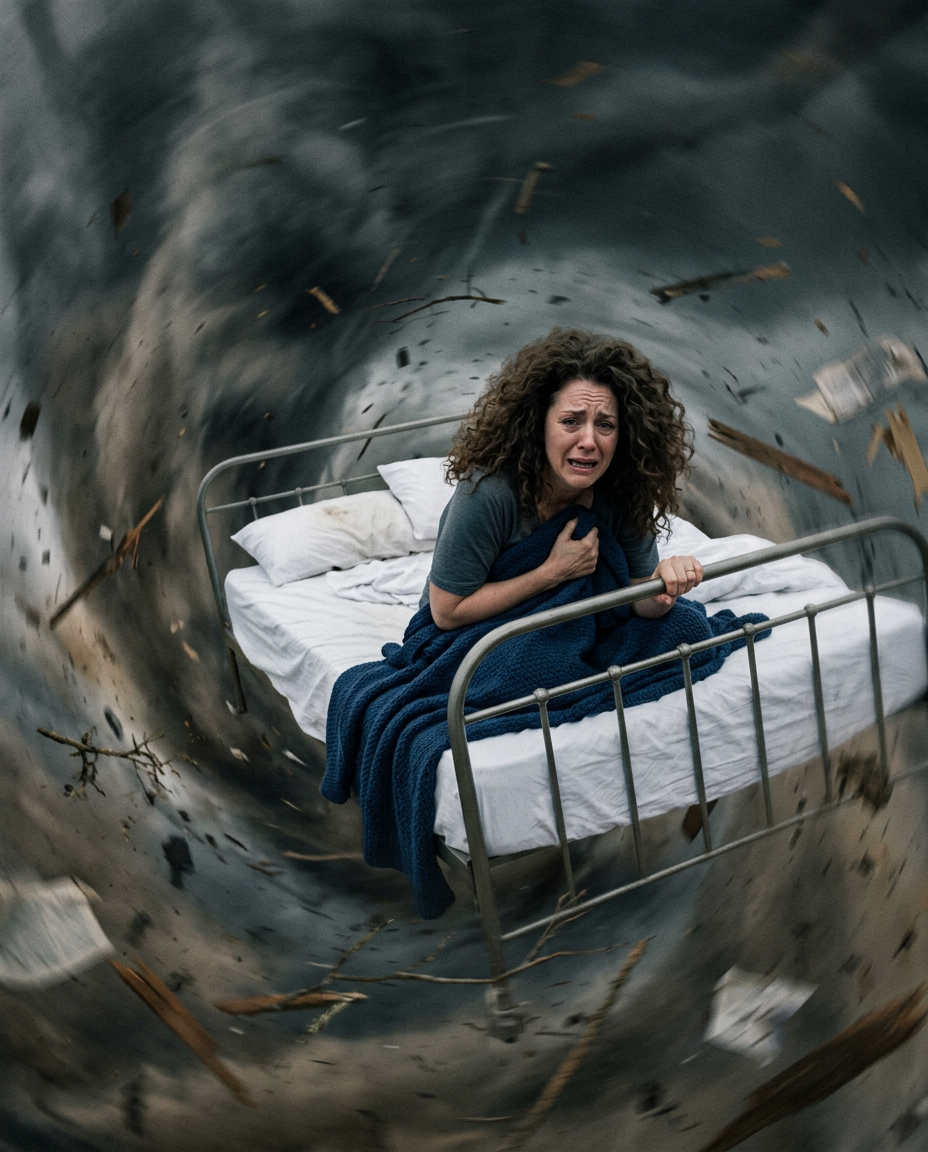
My mind persistently generates unproductive thought patterns that induce feelings of helplessness and insecurity. Consequently, my mind enters an overactive state characterized by fear, regret, and overwhelm.
Is like a tornado moves into my head, turning my mind into fog. The circuits begin to shut down gradually, leaving me with no choice but to fall.
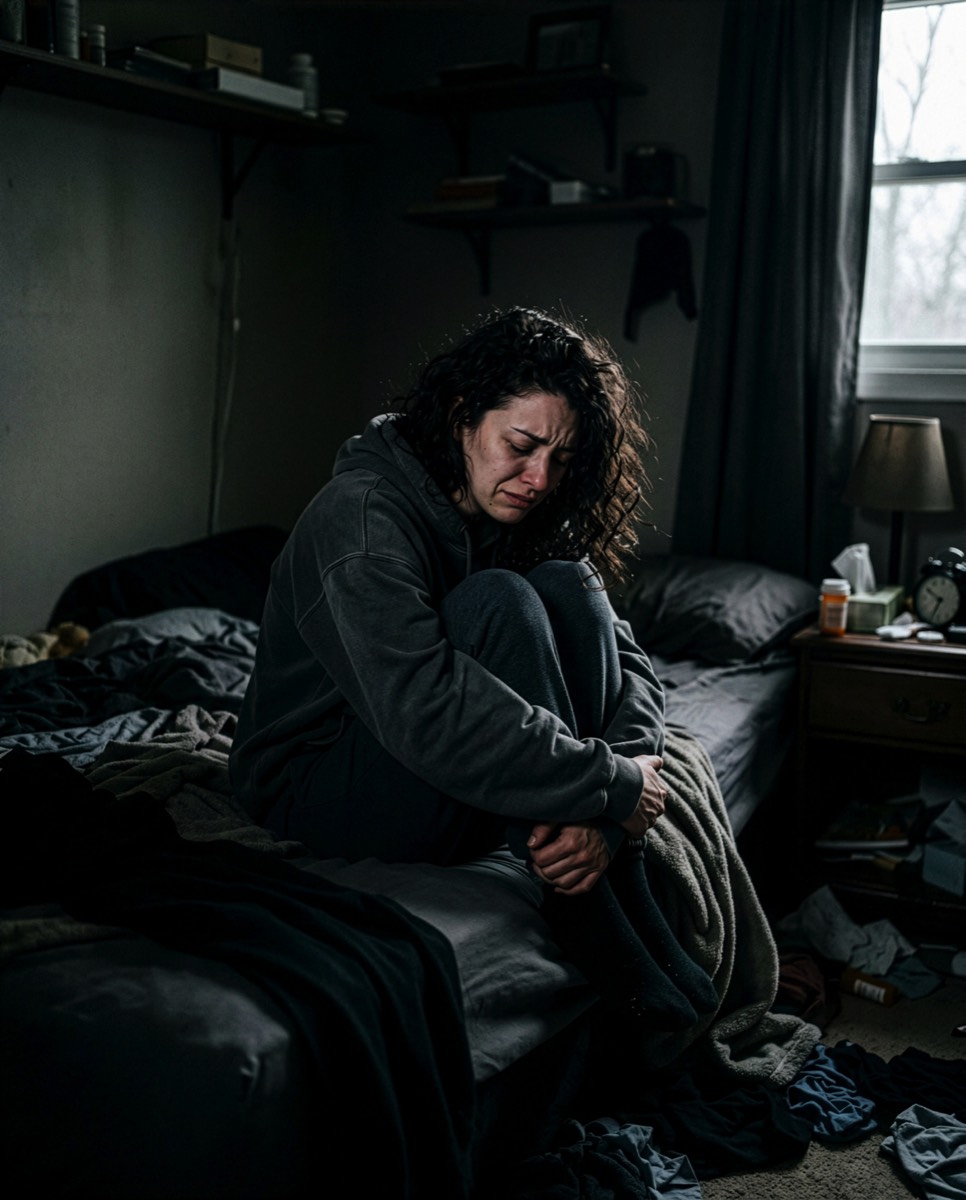
This is the moment when I retire to my bed. At this stage, I am unable to think, eat, speak, or move with ease.
All I can do is sleep on and off all day and night, drifting in and out of oblivion. My hope is that my brain gets a chance to rest.
At first, sleeping feels good. Like a bad fever or illness, I can face absolutely nothing in the world, and I remain cradled in my bed like a cocoon.
Shortly thereafter, small amounts of energy begin to return. Just as the depths of depression start to diminish, anxiety surges in with renewed intensity!
Now, I can’t keep lying in bed; I must get up and try to do something. This transition fills me with such dread that it is impossible to explain.
I can’t manage the task of preparing and eating food. I am anxious and starving, but I can’t imagine eating.
This leaves me lightheaded and weak. I am too weak and anxious to leave my apartment alone.
I feel completely incapacitated. The distinction between thought and action appears permanently severed.
I am fortunate to have a friend nearby who can join me on brief walks during these periods, help me with meals, and remind me to eat, drink, and shower.
During these moments, just thinking about what I am supposed to do, or who I am supposed to show up for, ignites a wave of anxiety that consumes me and swallows me whole.
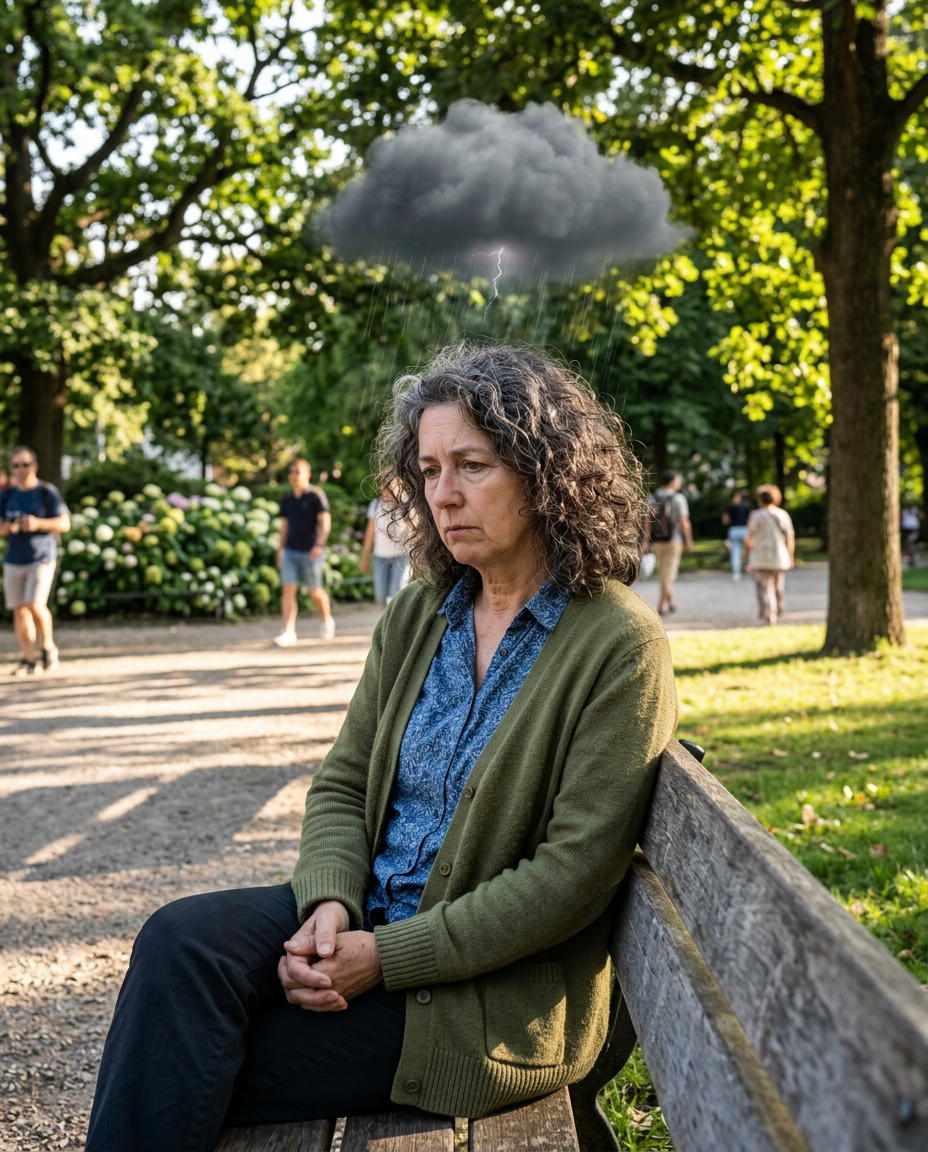
The most isolating feeling is the fear that no one can genuinely comprehend what I'm enduring or relate to my experiences.
I worry that I will never be able to articulate my thoughts and emotions clearly. It’s as if I’m locked in a battle with my emotions, unable to find the words to articulate the depth of my struggles.
That fear breeds pure dread. I feel entirely exposed, unsafe and vulnerable. Yet, as this cycle continues, something quietly shifts beneath the surface.
It often feels like it’s spiraling to its worst, building to a climax—right before an unexpected release.
Waking up feeling better is a joy that words cannot describe; it feels like a celebration.
But that joy is quickly followed by the daunting task of cleaning up the chaos my illness left behind.
Just like when I was teaching and had to scramble to make up for weeks of missed work, then go home to juggle family and household duties, but worse than the tasks is the lingering shame.
I find myself wrestling with the same heavy question: Why can't I do better? What am I not normal? Why does this continue happening to me?
I try my absolute best to care for myself, so why does it feel like this is all my fault?
On other occasions, these periods of normalcy endure for only three weeks or less.
I feel a desperate need to increase the time spent in equilibrium between episodes to improve functioning, to have a better quality of life, or to just have a life!
Easing the frequency of these horrid episodes isn't just about feeling better in the moment; it’s about claiming the space to simply plan and go about my daily life.
More than anything, my brain needs the chance to rest, heal, and recover from the constant storm.
I know that navigating a mood disorder means accepting that treatment is complex and long-term, but I also firmly believe that the brain can heal if it is given the right care.
Every single step toward greater stability makes a profound, meaningful difference in this journey